Nutrition & health
Type 2 diabetes nutrition: principles and menu
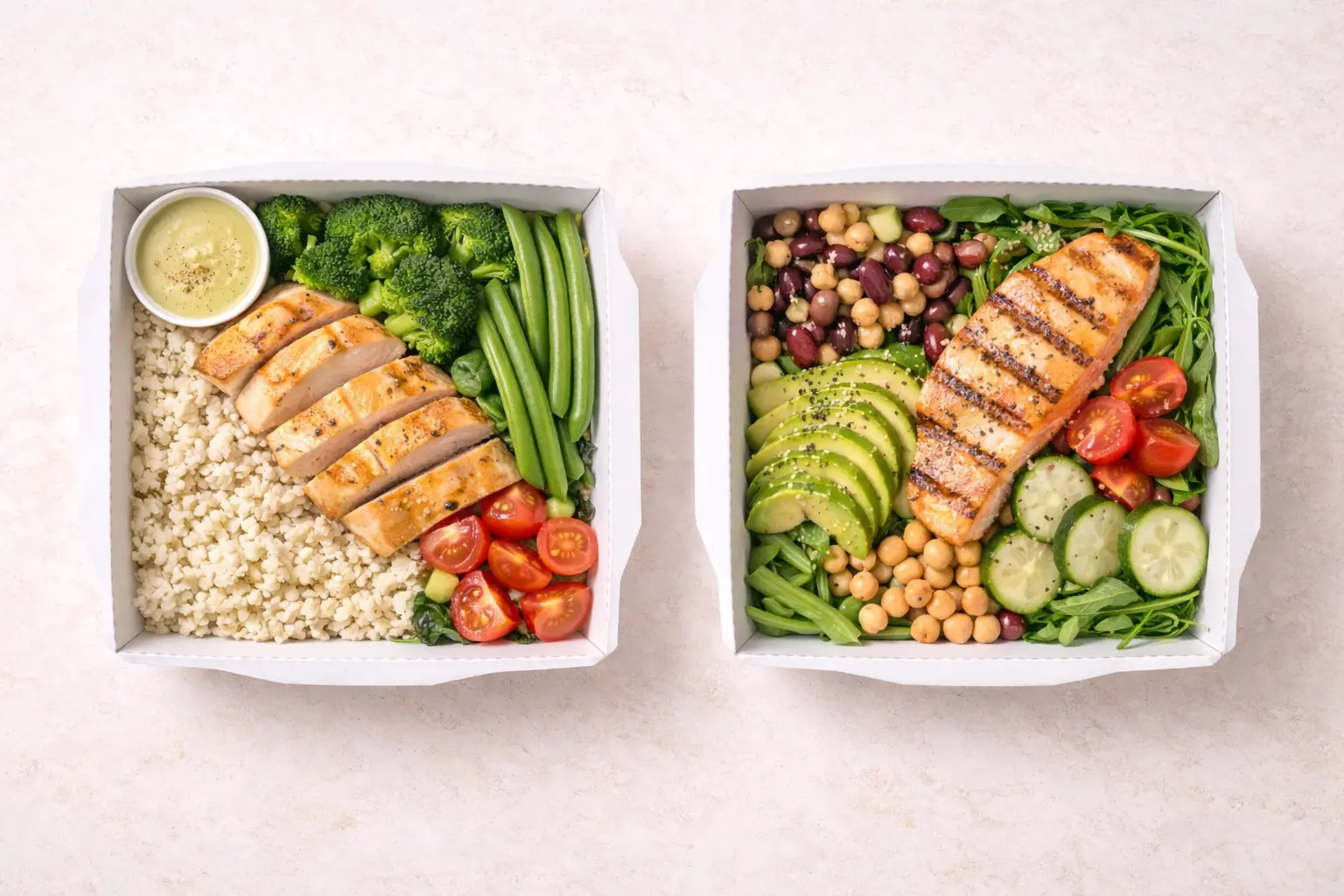
In type 2 diabetes, nutrition is part of treatment. Let’s look at which foods help keep blood sugar stable and how to build a menu without sharp glucose spikes.
Glycemic index and blood sugar
The glycemic index (GI) shows how fast a food raises blood sugar. Low-GI foods give a smooth rise in glucose — this is the key principle of type 2 diabetes nutrition.
Low GI: vegetables, legumes, whole grains. High GI: sugar, white bread, sweet drinks.
What to include in the menu
Routine matters too: regular meals without long gaps help avoid sugar spikes.
- Vegetables and greens — the base of the plate.
- Whole grains and legumes instead of white flour.
- Protein: fish, poultry, eggs, cottage cheese.
- Healthy fats: olive oil, nuts in moderation.
- Limit sugar, sweet drinks, and pastries.
Why an individual approach matters
Diabetes progresses differently for everyone, and nutrition is chosen with your readings, medication, and other conditions in mind. This article gives general principles, not a substitute for a doctor’s advice.
The Diabetes plan is built with a nutritionist and aimed at stable blood sugar. Before you start there’s a free consultation to tailor the menu to your situation.
Frequently asked questions
Can you eat fruit with type 2 diabetes?
Yes, in moderation and preferably low-GI (berries, apples, citrus), as a separate snack and not as juice. Agree the exact amount with your doctor.
Do you need to cut out carbs completely?
No. The point is not to remove carbs but to choose slow ones (whole grains, legumes, vegetables) and control portions. Cutting them out completely isn’t needed and can be harmful.
Don’t want to count calories every day?
Our nutritionist calculates your target and picks a ready meal plan in a free consultation — and we deliver it across Chișinău.

About the author
Герман Надежда
Nutritionist (MD)
Member of the Association of Nutritionists of Moldova