Fitness & shape
Nutrition for muscle gain: menu and principles
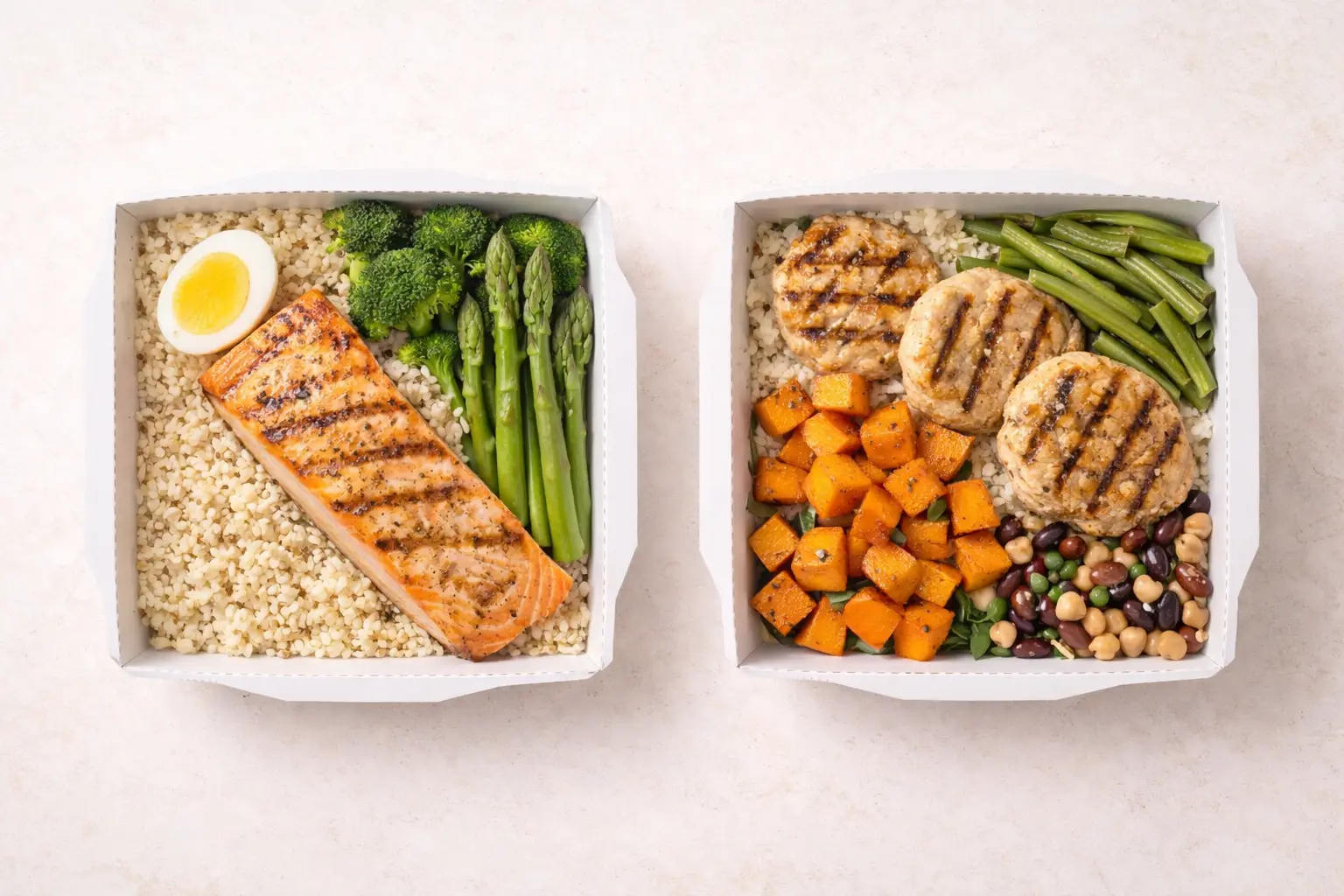
Muscle grows not only in the gym but in the kitchen. Let’s look at how many calories and how much protein you need to gain mass and how to build eating around training.
A calorie surplus is the basis of growth
For muscle to grow, you need to take in slightly more energy than you spend. The optimal surplus is 10–15% of your daily norm: enough for growth but without excess fat gain.
Too big a surplus brings more fat than muscle, so “eating everything” is not the best strategy.
How much protein you need
For muscle gain, aim for 1.6–2.2 g of protein per kg of body weight per day, spread evenly across meals. Protein is the building material for muscle.
- Sources: meat, fish, eggs, cottage cheese, legumes.
- Spread protein across 4–5 meals, not one.
- Carbs give energy for training — don’t cut them.
- Fats matter for hormones — don’t go too low.
What to eat before and after training
Before training (1.5–2 hours prior) — a meal with carbs and protein for energy. After — protein and carbs for recovery. But what matters is not the “window” but your daily protein and calorie balance.
The Fit plan is built for higher calories and protein to match active training — with no need to count everything yourself.
Frequently asked questions
Can you build muscle without a gym?
Minimally — yes, but visible growth needs strength training. Nutrition sets the conditions, and training is the stimulus for muscle growth.
Are sports supplements necessary?
No. Protein and calories can come entirely from regular food. Supplements are just convenience, not a necessity.
Don’t want to count calories every day?
Our nutritionist calculates your target and picks a ready meal plan in a free consultation — and we deliver it across Chișinău.

About the author
Герман Надежда
Nutritionist (MD)
Member of the Association of Nutritionists of Moldova